
How to Implement Martyn's Law - Why PAVA is the Best Solution to Ensure Public Safety
Martyn’s Law provides an opportunity for venues to review their existing safety arrangements, identify areas for improvement, and plan ahead. PAVA systems are a natural fit for this, providing the best solution to ensure public safety and compliance with the act.
While a PAVA system can play an important role in facilitating emergency communication, it is integral that it is part of a wider approach to protective security and preparedness that will vary between sites.
What is Martyn’s Law?
Martyn’s Law, officially known as the Terrorism (Protection of Premises) Act 2025, is coming into effect in 2027, after a 2-year implementation period. Named after Martyn Hett, one of the victims of the tragic Manchester Arena attack, the legislation is designed to improve public protections against terrorism.
While it doesn’t prescribe specific systems or technology, Martyn’s Law asks premises to understand the risks and implement sensible measures. This avoids a blanket approach, encouraging solutions that fit the specific requirements of each premises or event.
Who must comply with these duties?
Applying across the entire UK, the act takes a two-tiered approach, generally depending on the number of occupants reasonable expected to be in the premises at a single time:
- Standard duty premises – 200-799 people
- Enhanced duty premises and qualifying events – 800+ people
There are a few notable exceptions to these categories, as premises used for childcare, worship, primary, secondary or further education are exempt from enhanced duties, even when the number of occupants exceeds 800. Instead, these cases are considered as standard duty premises.
What must premises consider?
Martyn’s Law is primarily focussed on protective and organisational preparedness, so the act lays out a series of protection procedure to be considered before taking further steps.
Standard duty premises considerations
Standard duty premises must consider 4 public protection procedures:
- Evacuation: Moving people to a lower risk area outside of the premises/event.
- Invacuation: Moving people to a lower risk area within the premises/event.
- Lockdown: Securing the premises/event to prevent individuals entering/leaving.
- Communication: Ensuring that information is provided to individuals at the premises/event.
Enhanced duty premises considerations
On top of those laid out for the standard duty premises, enhanced duty premise must consider an additional 4 public protection procedures:
- Monitoring: Using tools like CCTV to monitor both the premises/event, and the immediate vicinity.
- Movement: the movement of individuals into/out of/within the premises/event.
- Physical Security: the physical safety and security of the premises.
- Security of Information: ensuring the security of information about the premises, including operation, design, usage, or internal workings.
What is expected from premises in practice?
The considerations outlined in the previous section serve as the foundation for the requirements that must be enacted. Essentially, all premises that fall under Martyn’s Law must put appropriate public protective measures in place – as far as is reasonably practicable – but further requirements must be met according to each tier.
Standard duty premises requirements
The party with control over the premises, known as the responsible person, has two primary responsibilities:
- Notify the Security Industry Authority (SIA) of their premises.
- Have appropriate public protection measures – including mitigation strategies and training – in place.
Enhanced duty premises requirements
The premises’ responsible person must carry out the duties outlined in the standard duty tier, in addition to the following:
- Document the protection measures in places and provide this information to the SIA.
- Designate a senior individual with primary responsibility where the existing responsible person is not an individual.
Now that we understand what Martyn’s Law actually entails, we may begin to consider which options will help premises best meet its requirements.
Why are PAVA systems the best solution?
The requirements laid out by Martyn’s Law are essentially crisis management plans for specific premises and events – and time and again crisis management has come down to effective communication. Without a clear channel for communicating critical information, even the most well-considered protection plans can fail. This is particularly true during terrorist attacks, which are inherently unpredictable and disorienting events that demand responses that are practical, flexible, and reliable.
PAVA systems offer the most comprehensive solution to these requirements, providing clear, verbal instructions that facilitate quick, efficient emergency responses. On top of this, they incorporate further life safety features like:
- Intelligible voice messaging – systems must meet an objective standard of speech intelligibility according to BS 5839-8, so messages can be understood above ambient noise.
- Redundant power – ensures continuous operation, even if the primary power source fails.
- Zoned messaging – allows for different messages to be broadcasted to different areas within the premises, enabling a coordinated response.
- Priority messaging – emergency messages automatically override any secondary broadcasts, including background music and other announcements.
For a more in depth look at the benefits of PAVA systems, check out our post on How Voice Alarms Save Lives.
How ImPerium can help you prepare for Martyn’s Law.
Every premises has different requirements, from its size and layout to what and how protective procedures can be undertaken. As such, a suitable PAVA solution should reflect each of these individual needs. ImPerium can support this process from end-to-end, offering:
- System design.
- Professional installation.
- Ongoing maintenance.
- Product supply – including two product lines covering the full spectrum of affected installations:
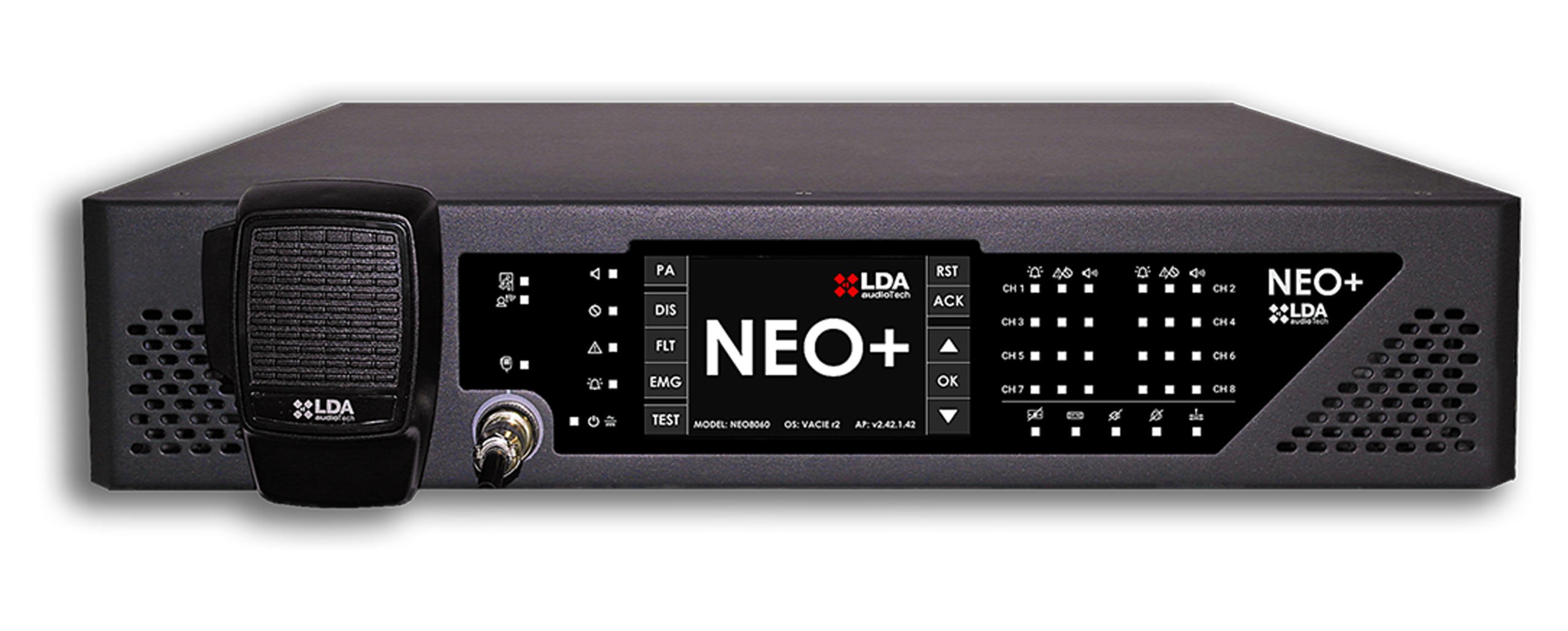
NEO+
Best for enhanced duty premises, LDA's NEO+ is a high-performance EN 54-16 certified Public Address and Voice Alarm system for medium to large projects with greater operational requirements.
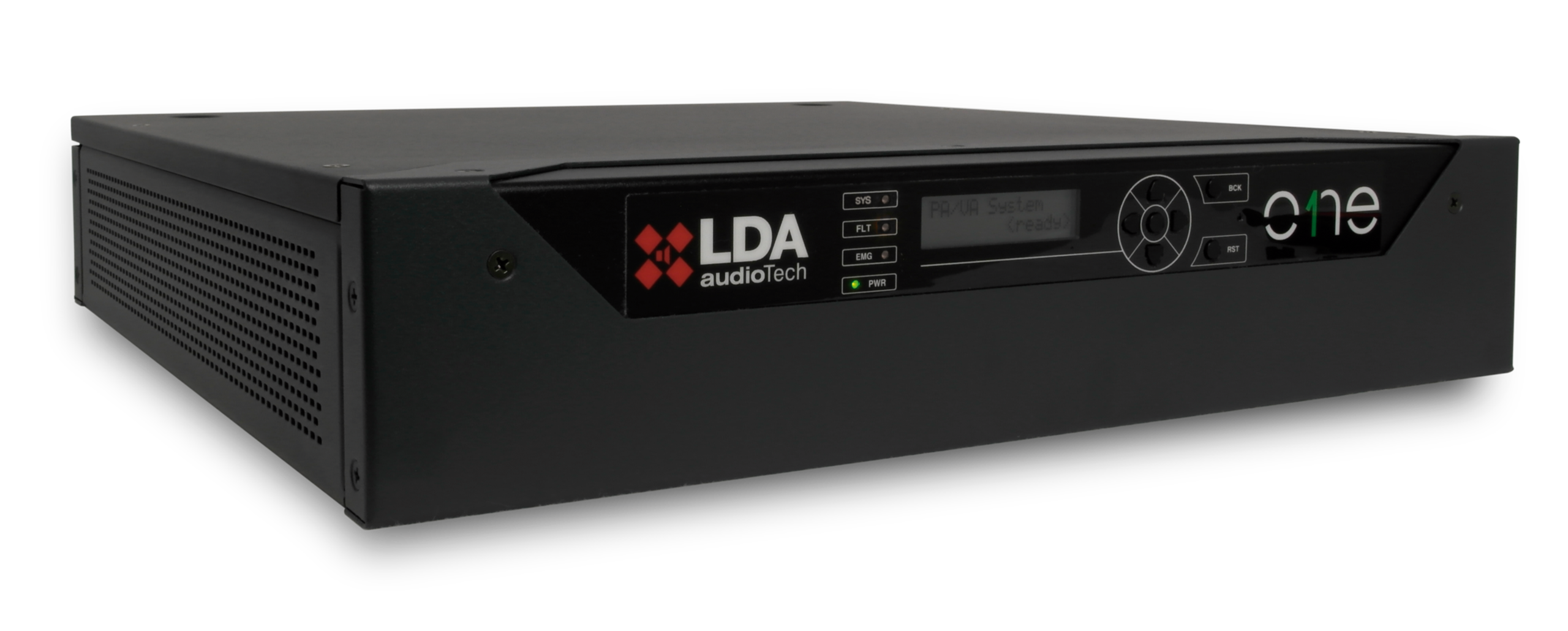
ONE
Best for standard duty premises, LDA's ONE is a compact Public Address and Voice Alarm solution, enabling announcements, background music, and evacuations. perfect for smaller sites requiring local operation.